menu


Hearing loss can occur at any age to anyone for various reasons. Hearing is one of our only senses that works continuously. Since our hearing is such a vital sense, it requires special attention. Please refer to the information below to learn more.
We are a medical, surgical, and audiological practice that devotes itself entirely to the diagnosis and treatment of disorders of the ear, nose and throat.

Hearing loss has a lot of different causes and manifestations. It can be sudden or gradual. It can occur in one ear or both ears. It can be temporary or permanent. People of all ages can experience hearing loss, but one of the most common causes is age-related decline in hearing. Before discussing causes and treatments for hearing loss, it is important to understand how hearing works.
There are three sections of the ear: the outer ear, middle ear and inner ear. Each section helps move sound through the process of hearing. When a sound occurs, the outer ear feeds it through the ear canal to the eardrum. The noise causes the eardrum to vibrate. This, in turn, causes three little bones inside the middle ear (malleus, incus, stapes) to move. That movement travels into the inner ear (cochlea), where it makes tiny little hairs move in a fluid. These hairs convert the movement to auditory signals, which are then transmitted to the brain to register the sound.
Hearing loss occurs when sound is blocked in any of the three areas of the ear. One common cause of hearing loss, and one of the most preventable, is exposure to loud noises. Infections, both of the ear or elsewhere in the body, are also a major contributor to hearing loss.
Most causes of outer ear hearing loss can be remedied. But problems of the middle and inner ear can lead to permanent hearing loss, which is why it is important to seek medical attention quickly if you are experiencing a problem hearing.
There are three types of hearing loss:
Auditory Processing Impairment: Although not a type of hearing loss, can lead to difficulty hearing and understanding speech even when hearing levels are within normal limits. This occurs when the central nervous system fails to send a readable signal to the brain. People with central hearing loss generally can hear all sounds, but can’t separate or process them properly.
Hearing loss is measured in four degrees: mild, moderate, severe or profound. The degree of hearing loss drives the selection of the best form of treatment on a case-by-case basis.
The location, type and degree of hearing loss impact the choice of treatments for any hearing problem. The most common treatment options include:
If you experience sudden or prolonged hearing loss with dizziness, fever or pain, please contact our office right away and schedule an appointment with one of our otolaryngologists. We’ll conduct a physical examination as well as a hearing test to determine the type and severity of your hearing loss. We’ll then recommend the best treatment.
Many people experience tinnitus–a ringing, swooshing, or other type of noise that seems to originate in the ear or head. In many cases, tinnitus is not a serious problem, but for some, it can be very bothersome and debilitating.

Tinnitus is not a disease but a symptom of an underlying condition. One of the most common conditions associated with tinnitus is high frequency hearing loss due to age and/or noise exposure. Tinnitus is also associated with conditions such as wax in the outer ear canal, middle ear fluid or infections, eustachian tube dysfunction, otosclerosis (fixation of the middle ear bone), Meniere’s disease (a problem affecting both hearing and balance), and problems beyond the inner ear such as acoustic neuroma (a small benign, rare tumor of the nerve for balance). Medications can also cause tinnitus such as aspirin, Naprosyn, Lasix, quinines, aminoglycoside antibiotics, erythromycin, renal transplant and dialysis. If head noises persist, particularly if they are on one side or are associated with loss of hearing or dizziness, medical attention is recommended.
In addition to a full ENT exam, other tests may be needed to look for any treatable causes of tinnitus. Hearing tests reveal patterns of hearing loss due to conditions often associated with tinnitus. Often times patients do not have any symptoms of hearing loss, but hearing tests reveal hearing loss in very high frequencies not normally used in everyday conversation. This is often the cause of the tinnitus. Though hearing loss is the most common cause of tinnitus, additional investigation may be warranted to rule out other causes.
Tinnitus with an obvious cause, such as an object in the ear canal or a middle ear infection, can usually be treated easily. Unfortunately, tinnitus is usually associated with conditions for which there is no treatment. Often the noise can be especially bothersome at night when things are quiet. Maskers can be purchased which make low volume background noise to help distract you from the tinnitus at night. A radio can be used for this purpose by turning it on at night at low volume in between stations to produce background static, or a white noise machine. For tinnitus associated with significant hearing loss, hearing aids may help. Both Audiologists and ENTs are equipped to help patients find the right treatment plan.
Anti-anxiety medications, anticonvulsants, and tricyclic antidepressants are groups of drugs used to treat various conditions including depression, anxiety, seizure, panic, pain, muscle spasms, dizziness, and tinnitus. Trade names include Ativan, Klonopin, Tranxene, Tegretol, Librium, Xanax, Wellbutrin, Paxil, Triavil, Elavil, Zoloft, Atarax, Sinequin, and Valium. Varying degrees of success have been reported with these drugs for tinnitus. Caution should be exercised. Some of these drugs can be habit-forming or addictive.
Medical intervention in the treatment of tinnitus has gone beyond the realm of traditional treatments. Other treatments include ultrasonic current, electrical stimulation, acupuncture, hypnosis, biofeedback, sound (tinnitus retraining) therapy, desensitization therapy (Neuromonics Tinnitus Treatment), amplification (hearing aids), cognitive therapy, and the placement of magnets near the ear. These treatments are not proven effective scientifically, but some patients report that they help. Some people are finding relief from tinnitus through the use of herbs such as Ginkgo biloba and kava kava, hormones like melatonin, and with megadoses of over the counter (OTC) vitamins and minerals (such as Lipo-Flavonoid). We caution that these products may vary since they are not subject to FDA control, that there are questions about the appropriate doses, and that some of them do not differ in effectiveness from placebos. Patients should weigh the “gain versus risk factors” in determining which options to use in the treatment of tinnitus.
You may also receive more educational material by visiting the: American Tinnitus Association (ATA) [(800) 634-8978 www.ata.org ].
There are many different styles of hearing aids. The degree of the hearing loss, individual lifestyle, size and shape of ear canal, manual dexterity abilities, cost factors, and cosmetic concerns are all factors that will help to determine which style of hearing aid is best for you. Most hearing aids are Bluetooth compatible and can be used to stream phone conversations, music and television directly to your hearing aids. Most hearing aids are also rechargeable, eliminating the need for disposable batteries.
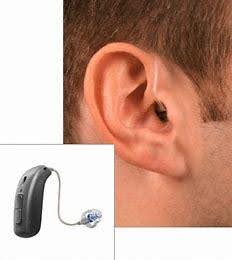
RIC: Receiver-In-The-Canal
RIC: Receiver-In-The-Canal style aids rest on the back of your ear, and are connected to the ear canal via a thin wire. The thin wire is the receiver/speaker portion of the hearing aid. It allows for a more comfortable fit for many people. They are the most patient preferred style and cosmetically appealing hearing aid.

IIC: Invisible-In-The-Canal
IIC: Invisible-In-The-Canal units are virtually invisible in the ear and are the smallest hearing aids. IICs are most appropriate for individuals with a mild hearing loss.
ITC: In-The-Canal
ITC: In-The-Canal units fit in the ear canal. These require good dexterity to control the volume wheels and other controls on the faceplate. They are smaller than ITEs. ITCs can only be used by people who have mild, moderate and severe hearing loss.
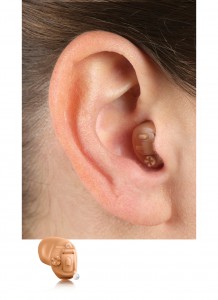
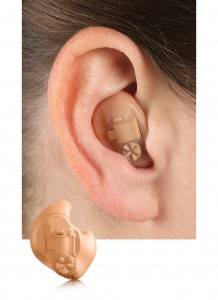
ITE: In-The-Ear
ITE: In-The-Ear units are the largest custom made style, and fits completely in the outer ear. It is easy to operate. ITEs can be used for mild, moderate and severe hearing loss.
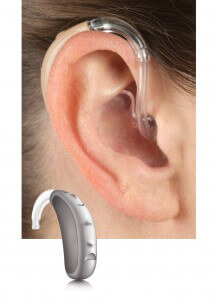
BTE: Behind-The-Ear
BTE: Behind-The-Ear hearing aids are the largest hearing aids and they are very reliable and durable. BTEs rest on the back of your ear, and are connected to the ear canal via a tube that is part of an earmold. The earmold is custom made from an ear impression. Individuals with a wide range of hearing losses can be fit with BTE hearing aids.
DIGITAL technology is standard for most prescription hearing aids. Digital technology gives the audiologist maximum control over sound quality and sound processing characteristics in order to provide maximum speech understanding. Digital hearing aids have been available since 1996. About 99% of all hearing aids dispensed now are digital. There are several levels of digital technology available.
Automatic– Automatically switches from an omni-directional microphone to a fixed directional microphone depending on the individual’s environment.
Automatic/Adaptive– Automatically switches from an omni-directional microphone to a fixed directional microphone depending on the individual’s environment. In addition, it adapts to where speech is coming from for maximum speech understanding.
The costs of hearing aids range from $1000-$3000 for one device. The cost of the hearing aid is determined by the level of technology that is chosen. Some patients may have coverage for hearing aids through their health insurance plan. The level of technology that is chosen is based on the individual’s lifestyle, concerns, and goals for hearing.
Before a hearing aid is recommended to a patient, the staff of Specialty Care ENT will request medical clearance from a physician, preferably an otolaryngologist or otologist, to rule out any medical condition(s) that preclude the use of amplification. This policy is done in the patient’s best interest. Medical clearance may be provided by our ENT Doctors at Specialty Care ENT, or your own physician.
Once medical clearance has been obtained, the patient will be seen for a Hearing Aid Evaluation. During this appointment, the audiologist at Specialty Care ENT will discuss the patient’s hearing loss and its impact on communication. Various styles and technology levels of hearing aids will be discussed. Most patients and their families have many questions that will be addressed. Make sure to bring a companion to make sure all questions are answered. One hour is devoted for the initial hearing aid evaluation. There is no charge for this appointment.
Specialty Care ENT works with several hearing aid manufacturers (Oticon, Signia, GN Resound, Widex, and Phonak) that offer prescription hearing aids in a variety of styles and sizes. Specialty Care ENT also offers assistive listening devices such as TV streamers that allow for Bluetooth connection to the television, remote controls for the hearing aids and companion microphones. Once the hearing aid(s) are ordered, the aid will arrive in approximately two weeks, depending on the style, for which a second appointment is scheduled. Full payment of the hearing aid is required at the fitting appointment unless insurance benefits exist and are verified.
At the hearing aid fitting, the audiologist will program the hearing aids and discuss several features of the aid including how to insert and remove the aid from the ear, charge the aids or change the batteries, clean and maintain the aids as well as how to connect the aids to Bluetooth technology when applicable. The hearing aid user will have an adjustment period of 30 days. This adjustment period allows for any necessary fine-tuning of the aids.
Medicare does not pay for hearing aid evaluations, hearing aids, or services related to hearing aids. Specialty Care ENT does work with many insurance plans that offer coverage for hearing aids. If there is not verified hearing aid benefits through the insurance, payment for the aids will be required at the time of the hearing aid fitting.
Our office offers Care Credit as a payment option.
Earmolds for personal electronic devices – Used to improve the fit and comfort of the universal earbuds. These earmolds are custom made to ensure that they will never fall out of your ears. In addition, they can help to reduce external noise.
Hearing Protection for Musicians – A great option for anyone who needs to hear in noise. Helps to reduce the volume down to a safe level without affecting the sound quality of music.
Swim plugs – Help to reduce moisture from entering the ear canal while swimming or bathing.
Hearing Protection – There are both passive and active options available for individuals who are exposed to many types and levels of potentially harmful sound levels, including firearms and loud equipment. Passive technology is the traditional custom fitted earplug. Active technology is also custom fitted but incorporates electronic processing to lower of the loud noise to a safer level when necessary.